Living Large in Small, Shape-Shifting Spaces

Today we explore Transformable Small-Space Living, where every square foot learns to multitask, adapt, and surprise. Expect practical strategies, heartfelt stories, and inventive ideas that help compact homes flex from morning productivity to evening calm. Share your own clever solutions in the comments, invite questions, and subscribe for future deep dives into agile layouts, flexible furnishings, and daily rituals that make tiny places feel boundless.

Designing a Home That Changes With You

Start by mapping your life across time, not just rooms. Consider where you work at nine, exercise at six, cook at seven, and unwind at ten. Then let furniture, storage, and light shift to support those rhythms. A foldaway desk clears for yoga, a rolling island hosts dinner, and a convertible sofa restores rest. Treat change like a feature, not a compromise, and space will expand emotionally and functionally.

Time-Shifted Floor Plans

Think in morning, afternoon, and evening modes. The same square meters can host focused work with an elevated tabletop, transform into cooking prep with a rolling cart, then convert into a lounge with hidden cushions. Label zones by activity windows on a sketch, test quick transitions with a timer, and refine until switching takes minutes. Time becomes your silent wall, elegantly dividing without building anything permanent.

Zones Without Walls

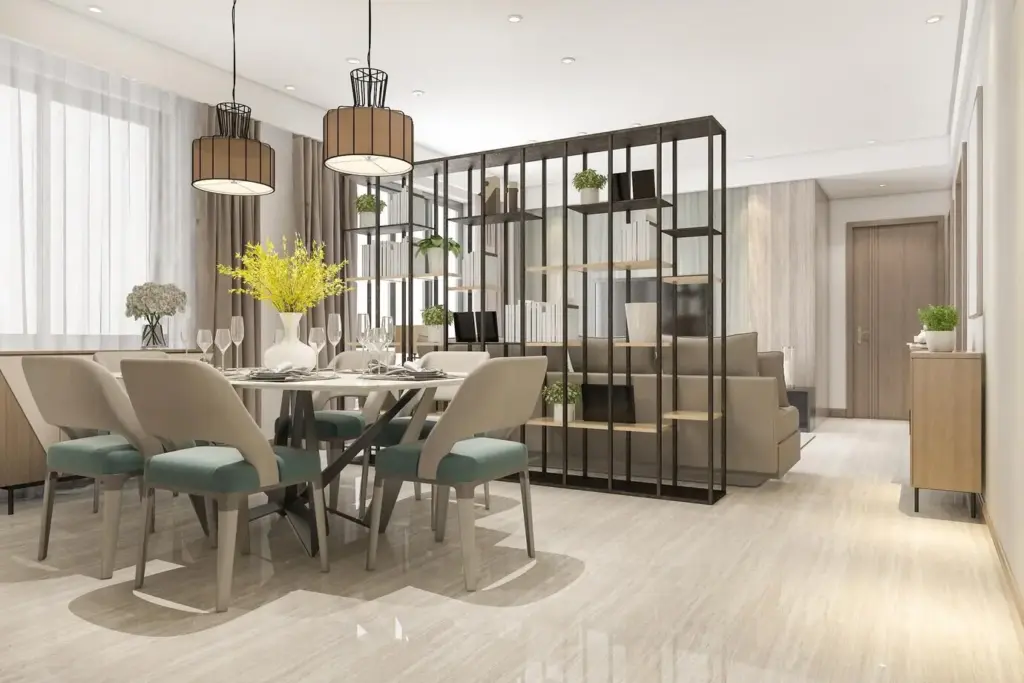
Use light, texture, and sound to shape experiences. A low-pile rug anchors conversation, a pendant marks the dining spot, and a tall plant softens a workspace edge. Bookshelves double as sightline filters while remaining open to air and daylight. Noise-absorbing curtains frame a sleeping nook and glide aside each morning. These subtle edges cue behavior changes, supporting privacy and focus without stealing precious width or flow.

The Power of a Modular Grid

Pick a base module—perhaps fifty, sixty, or seventy-five centimeters—and let it govern furniture widths, shelf spacing, and storage bins. Suddenly, elements stack neatly, swap positions, and travel without friction. Need a larger table? Combine two modules. Extra guests? Slide in an aligned bench. The grid reduces wasted gaps, accelerates decisions, and keeps future upgrades simple. Measure carefully, standardize wisely, and your room becomes a reliable, evolving system.

Fold, Slide, Pivot: Furniture That Works Overtime

Reimagined Murphy and Lift Beds

Modern wall and lift beds counterbalance weight elegantly, fold bedding inside, and lock securely, freeing entire daytime areas. Confirm ceiling height, nearby lighting, and clearance for rugs or coffee tables. Plan a soft landing zone where the bed meets the floor. Add nightstand niches, power outlets, and reading lights tucked into the frame. With practice, the evening transformation becomes a soothing ritual rather than a chore.

Tables That Stretch From Coffee to Banquet

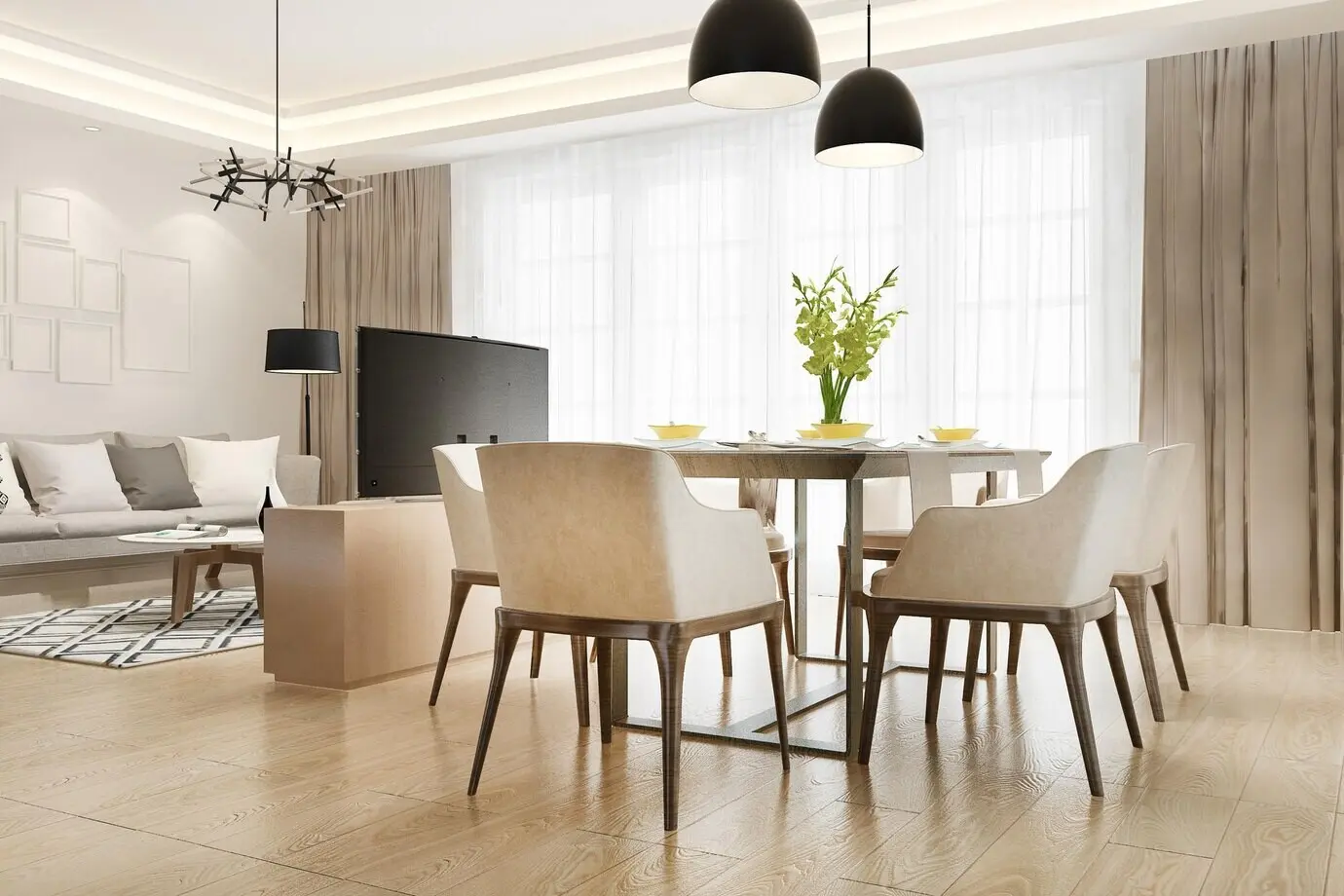
Hinged leaves, telescoping frames, and flip-tops let one surface perform countless roles. Mark leg positions so knees stay comfortable when expanded. Protect finishes with heat-resistant pads and keep leaf storage accessible, not buried. Pair with nesting stools that disappear under consoles. For spontaneity, choose mechanisms you truly enjoy using. A table you expand happily is a table that hosts memorable meals, crafts, and collaborative work without hesitation.

Sofas, Ottomans, and Seating That Store and Reconfigure

Opt for modular sections with hidden compartments for bedding, seasonal clothing, or hobby gear. Ottomans on casters shift from footrest to coffee table, then stack aside. Armless units slide together for movie night and pull apart for focused work. Prioritize washable covers, firm edges for trays, and locking wheels. Each micro-adjustment saves minutes daily, keeping clutter out of sight while making the room feel nimble and generous.

Vertical, Hidden, and Beautiful Storage
Storage should serve like a stagehand: powerful, quiet, and unseen until needed. Climb upward with ceiling-high cabinets, slim pull-outs, and door backs that earn their keep. Use uniform containers to calm visual noise. Hide seldom-used items up high, favorite tools at arm height, and everyday essentials within the first reach. When storage respects attention as much as volume, small rooms stay clear, serene, and remarkably productive.

Light, Color, and Material Illusions

Perception shapes comfort as much as square footage. Layer light—ambient, task, and accent—to dissolve shadows and clarify zones. Use lighter hues where depth matters, warm woods for touch, and limited patterns to avoid visual noise. Mirrors and glossy panels bounce daylight deeper inside, while translucent screens blur edges without blocking glow. Soft textiles absorb echo, inviting calm conversation. These sensory choices expand a room’s emotional volume beautifully.

Layered Lighting That Expands Perception

Combine dimmable ceiling washes with under-cabinet task light and small, focused beams on art or plants. Indirect uplighting lifts ceilings, while floor washers guide safe movement at night. Smart plugs remember scenes for work, dinner, or reading. Keep fixtures compact and finishes consistent to reduce clutter. Well-placed light untangles shadows, sharpens function, and grants even the narrowest corners a surprisingly open, breathable presence throughout the day.

Color, Gloss, and Reflective Tricks

Choose a restrained palette that favors continuity over contrast. Matte walls calm reflections, while a few glossy accents bounce light thoughtfully. Mirrors placed across from windows extend views and trick the eye into sensing extra depth. Keep large pieces light and let smaller decor carry color. When surfaces cooperate rather than compete, the room feels unified, airier, and easier to navigate even during busy, object-heavy routines.

A 28-Square-Meter Studio Transformed

I once helped a friend reimagine a compact studio where dinner clashed with deadlines and sleep fought for space. We mapped habits, lifted the bed, and standardized storage. The desk became dining, the sofa hid tools, and clutter finally had destinations. Within weeks, stress softened into ritual. If parts of this journey inspire you, reply with your biggest constraint, and we will explore tailored, actionable ideas together.

Buy Once, Adapt Often

Prioritize lifetime frames, modular shelving, and convertible tables with available replacement parts. Measure pathways for deliveries and future moves. Pick neutral bases and swap textiles seasonally for freshness. Keep a small stock of felt pads, screws, and cable ties ready. When core pieces flex across decades, your home remains agile and costs shrink dramatically. Write to us for a checklist that balances quality, flexibility, and realistic budgets.

Renter-Friendly, Tool-Lite Upgrades

Use tension rods for curtains and soft partitions, peel-and-stick hooks for rails, and freestanding shelves to avoid drilling. Painter’s tape helps visualize placements before committing. Corral multipliers—rolling carts, nesting tables, folding chairs—for instant capacity during gatherings. Leave walls nearly untouched, yet transform daily function meaningfully. If landlord rules feel limiting, share the constraints in a comment, and we’ll suggest reversible tweaks that respect leases while unlocking comfort.

Care, Repairs, and Long-Term Resilience

Set monthly ten-minute tune-ups: tighten hinges, vacuum drawer slides, and refresh lubricant on lift mechanisms. Rotate cushions, wash covers, and inspect anchors. Seasonal edits purge stalled gadgets, returning room to clarity. Keep manuals and spare parts in a labeled envelope. Maintenance becomes a gentle ritual that protects investment, preserves safety, and keeps transformations silky-smooth, ensuring your small, adaptable home remains delightful long after the initial excitement fades.
Remuvazenopivi
Privacy Overview

This website uses cookies so that we can provide you with the best user experience possible. Cookie information is stored in your browser and performs functions such as recognising you when you return to our website and helping our team to understand which sections of the website you find most interesting and useful.