Small Homes, Big Futures: Spaces That Grow with Your Family
Today we explore family-friendly tiny homes with rooms that adapt over time, revealing how compact footprints can grow through clever planning, convertible furniture, sliding partitions, and child-centered safety. From nap schedules to late-night study sessions, flexibility preserves calm, reduces clutter, and protects budgets. We unpack practical layouts, durable materials, and smart storage that let spaces morph gracefully with milestones, paired with honest stories from households whose rooms evolved alongside new hobbies, guests, and multigenerational needs.
Design Principles for Flexible Living
Start by treating every square foot as multi-talented. Prioritize zones that transform instead of dedicated rooms, using modular walls, pocket doors, and layered lighting to shift mood and function. Choose proportions that allow a crib, table, or desk to swap places, and build storage into stairs and benches. Design circulation loops that foster play yet keep chores efficient, so the home supports curiosity and calm.
Smart Layouts for Growing Kids
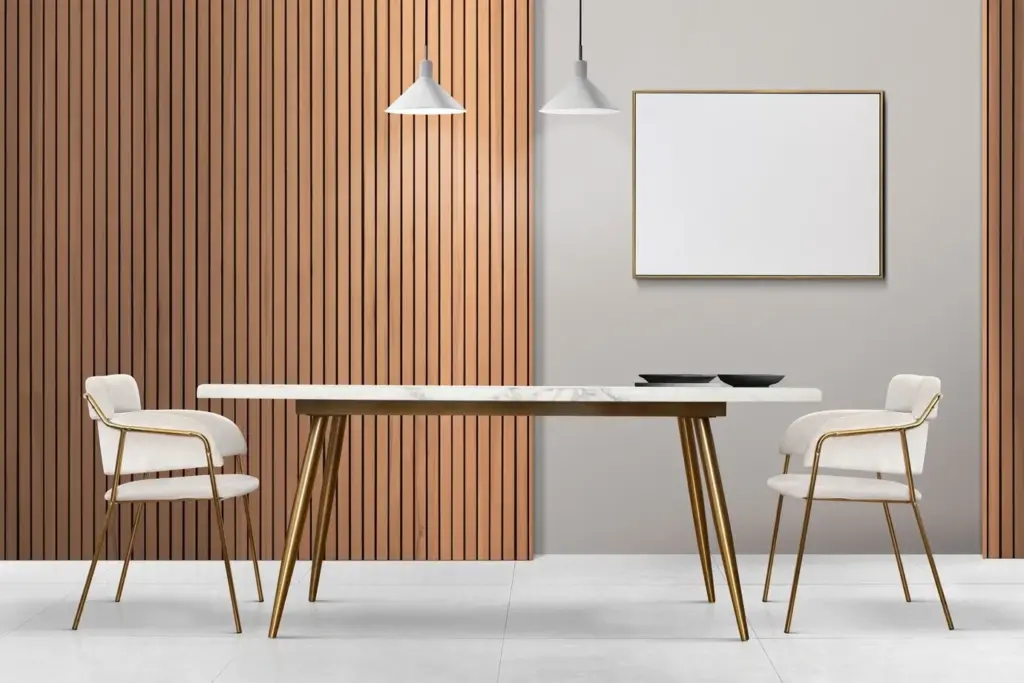
The Split-Level Micro-Loft
Raise one half of the room by a step to hide drawers and a roll-out desk below, placing a cozy mattress alcove above. Guardrails double as bookshelves. Later, the platform becomes a gaming zone or guest berth, while the lower level morphs into a project bench with pegboard tools.

A Corridor That Becomes a Library
Turn a passage into purpose. Add shallow shelves between studs, a ledge for displayed nature finds, and a flip-down stool under a magnetic family calendar. The walkway remains clear, yet reading suddenly has a home. As teenagers need focus, the area supports silent study sprints before dinner.
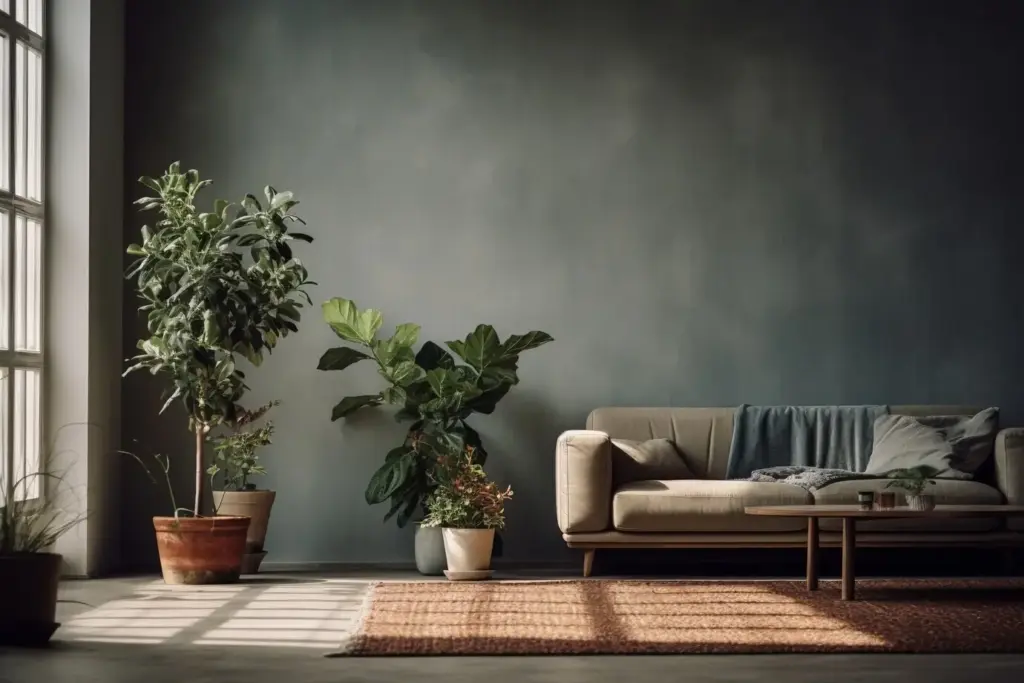
From Nursery Nook to Homework Haven
Tuck a compact crib by a window bench framed with high storage. When the crib retires, slide in a shallow desk, pinboard, and adjustable task lamp. Keep a soft rug for floor stretches. A pocket curtain provides quick privacy without stealing air or light from the rest of the room.
Safety, Durability, and Maintenance
Materials that Survive Spills and Forts
High-pressure laminate counters shrug off stains, while birch plywood cabinets resist dings. Upholstery with removable, washable covers keeps pace with art projects and popcorn nights. Cork and linoleum handle moisture better than many laminates. Finish edges carefully to prevent splinters, and mount hooks securely for imaginative sheet forts and holiday garlands.
Air Quality and Moisture Control
Compact volumes accumulate humidity quickly. Specify continuous low-sone fans, a heat-recovery ventilator sized to occupancy, and window sensors that encourage fresh-air habits. Use bath wall panels instead of grout-heavy tile. Keep shoes at the entry and add a plant shelf near sun to naturally assist filtration and well-being.
Child-Safe Hardware and Heights
Install soft-close hinges and drawer slides, then choose magnetic latches for cleaning supplies. Mount rails and loft ladders at widths comfortable for adult feet. Set counters at staggered heights so toddlers can help cook safely. Label bins with pictures, teaching independence while preventing precarious climbing for out-of-reach essentials.
Real Families, Real Transformations
Hearing how others adapted helps demystify decisions. Across climates and cultures, parents report relief when one room can shift between playdate chaos, quiet reading, and video calls. We gathered snapshots of households who adjusted walls, furniture, and routines season by season, learning to treat change as celebration rather than failure or clutter.
Budgeting and Phased Upgrades
Big impact rarely requires simultaneous overhaul. Plan a backbone—electrical, structure, circulation—that anticipates future modules, then add layers as children and careers evolve. Spend on hinges, slides, and durable surfaces you touch daily. Save by sourcing modular pieces secondhand, tracking dimensions carefully, and prioritizing upgrades that reduce operating costs like insulation and daylight control.
Start Simple, Design for Add-Ons
Begin with a single transforming room and prewire for later partitions. Choose a sofa that accepts storage arms and a platform bed awaiting drawers. Mark future shelf lines on studs. Phasing lets you test routines honestly, avoiding expensive missteps while building confidence and a shared family design vocabulary.
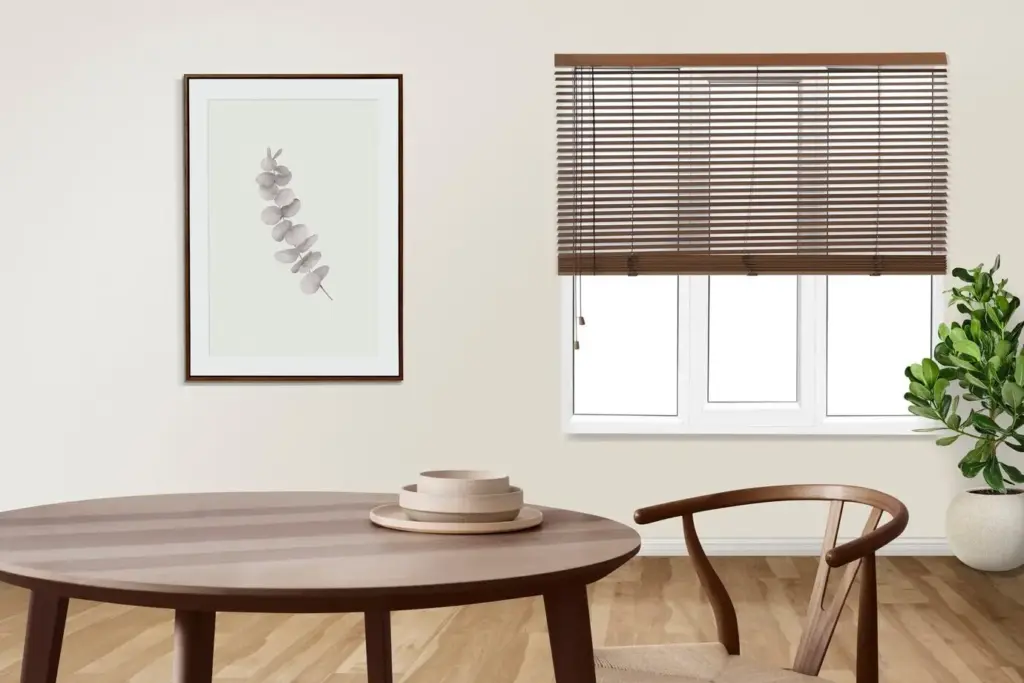
Spend Where It Lasts, Save Where It Swaps
Invest in cabinet boxes, drawer slides, and window units that will remain while children grow. Save on faces, pulls, and rugs that can be replaced as tastes shift. Select standardized sizes so components interchange smoothly, maximizing resale value and minimizing landfill waste as needs evolve year by year.

Community, Learning, and Engagement
Growing a compact home is easier with allies. Join our conversations to compare floor plans, trade product experiences, and celebrate incremental wins. We host Q&A threads, photo prompts, and interviews with designers and parents. Subscribe, comment, and share sketches so we can feature your experiments and answer practical questions together.
All Rights Reserved.