Walls That Move: Designing Studios Without Limits


Today we explore Modular Partition Systems for Reconfigurable Studio Layouts, revealing how movable walls, lightweight frames, and quick-connect hardware empower nimble studios that morph from podcast booths to product sets in minutes. Expect material guidance, acoustic strategy, lighting coordination, airflow planning, safety essentials, budget pathways, and candid field stories. Share your challenges in the comments, request examples tailored to your space, and subscribe to keep fresh configuration ideas arriving right when you need them.

How Flexible Walls Transform Small Spaces

Compact studios often need to be several rooms at once. Modular partitions allow daily reinvention without expensive demolition or downtime, building zones for recording, staging, storage, and collaboration. With mobile bases, stackable panels, and discreet tracks, one person can reframe the entire floor plan. We’ll unpack practical layouts, discuss frequent bottlenecks, and show how movable boundaries rescue sightlines, workflows, and creative momentum.

Core Components and Connection Methods

Durable aluminum frames, honeycomb or mineral-wool cores, and replaceable skins form the backbone of high-performance movable walls. Tool-less cam locks, tongue-and-groove edges, and magnetic alignment simplify fast, square joins. Choose clear, solid, or perforated surfaces based on privacy and acoustics. Doors and glazing lift into standardized frames, while base plates protect floors. Thoughtful selections here define how quickly your layout can evolve under real production pressure.

Layout Strategies for Rapid Reconfiguration
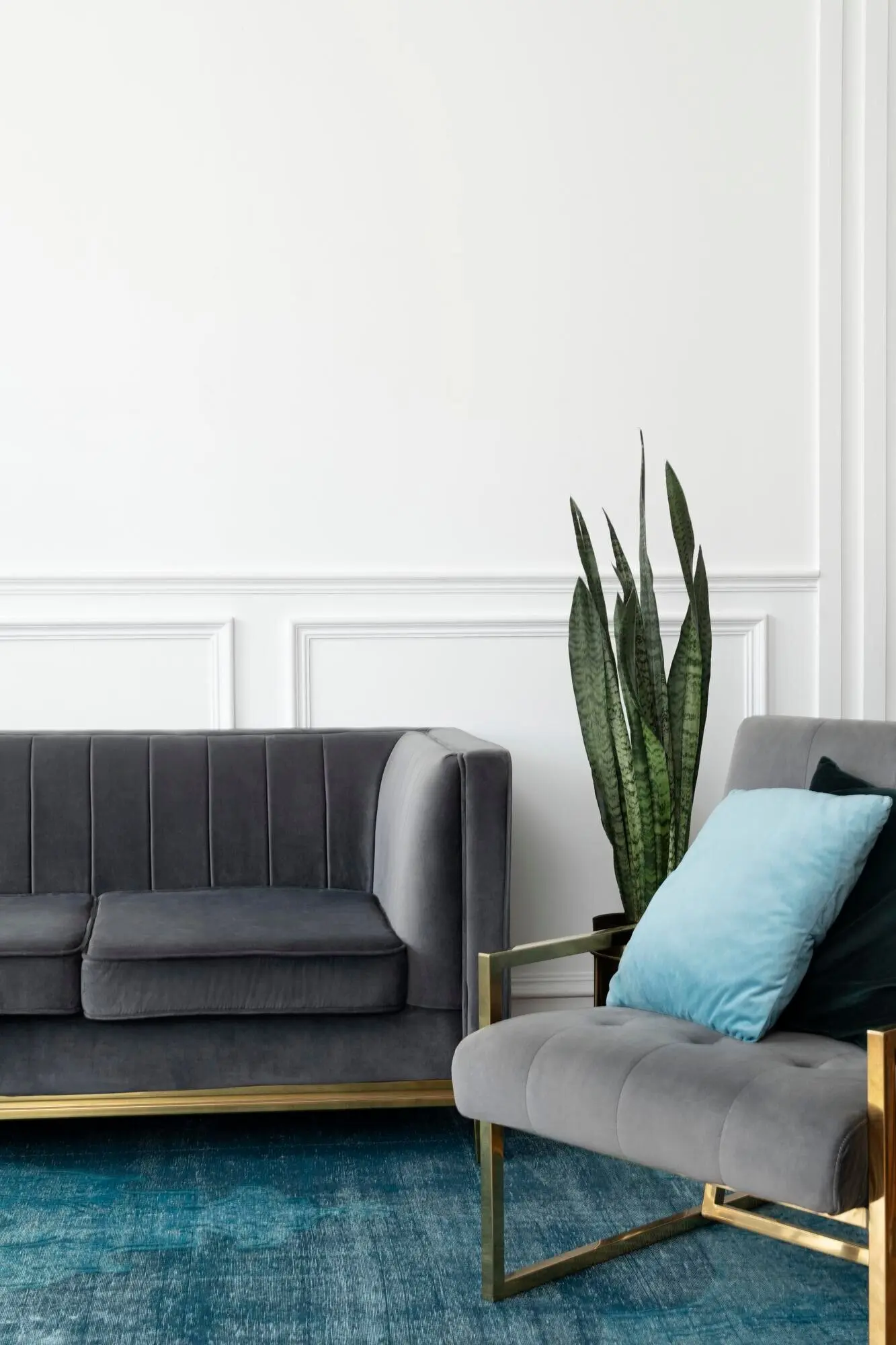
Speed comes from repeatable choreography. Rotate sets around a service spine that carries power, network, and air returns. Keep equipment bays behind movable acoustic shields, leaving clean sightlines for cameras. Standardize panel widths to avoid layout dead ends. Build standing marks into floors for reliable repetition. When clients arrive, transform zones quickly, demonstrating agility and professionalism. Your studio becomes a confident host for wildly different creative requirements.

Acoustic, Lighting, and HVAC Considerations

Great modular studios feel quiet, look flattering, and breathe well. Balance STC-rated partitions with strategic absorbers and bass control. Align light paths so movable edges never cast surprise shadows. Preserve airflow by routing returns above or through plenums while sealing panels where isolation matters. Instruments guide choices, not guesswork. Measure, adjust, repeat, and document baselines so every reconfiguration can reproduce dependable sound, light, and comfort outcomes consistently.

Safety, Compliance, and Durability

Modularity succeeds when it safely supports people and equipment. Select materials with ASTM E84 Class A surfaces, confirm stable egress widths, and anchor tall panels where required. Add anti-tip bases for free-standing walls and seismic clips in active regions. Protective edge trims prevent delamination and injuries. Clear labeling, load limits, and training turn flexible systems into dependable infrastructure. Safety planning preserves agility without inviting risk or unpleasant surprises.

Fire Ratings and Egress Planning

Confirm surface flame spread ratings and smoke development indices for all finishes, documenting certificates for inspections. Maintain continuous egress routes with minimum clear widths, and mount illuminated exit signs visible above partitions. Avoid dead-end corridors during complex setups. When you rehearse emergency paths after each reconfiguration, confidence rises across the team. Thoughtful details minimize liability, speed approvals, and protect people during busy, high-stakes production days.

Stability, Seismic, and Tip Resistance

Tall panels can behave like sails. Counter with weighted bases, discreet ties to ceiling grids, or lateral braces that clamp without damage. In seismic zones, consult local requirements for bracing intervals and connector strength. Keep center-of-gravity low by storing heavy gear near floors. Regularly inspect fasteners for wear. Stability keeps crews fearless while moving quickly, and prevents tragic moments that derail schedules, equipment, and hard-won client trust.

Cleaning, Maintenance, and Life Cycle Costs

Choose scratch-resistant laminates, removable acoustic covers, and hardware with replaceable inserts. Standardize fasteners so spares are universal, and set a quarterly inspection routine for gaskets, casters, and locks. Track panel mileage in a simple log to forecast replacements. Over years, modular systems often outpace drywall economically, because reusability turns change into value. Clean, well-maintained surfaces also reassure clients and keep every set looking confidently professional on camera.

Real-World Stories and Cost Scenarios

Proof arrives on the floor. Across studios, modular partitions have doubled usable sets, slashed re-light time, and stabilized audio quality without permanent construction. We’ll share outcomes, lessons, and budget snapshots that help you pick a sensible path. Tell us your constraints, square footage, and goals, and we’ll propose an adaptable starting kit. Community feedback accelerates everyone’s progress and reveals clever, affordable tactics worth borrowing immediately.

The Podcast Loft That Doubled Output

A small loft with brutal echo swapped drywall dreams for absorptive modular panels, a mobile door, and clerestory glazing. Changeovers dropped from ninety minutes to fifteen, allowing back-to-back guests without fatigue. Sponsors noticed cleaner sound and tighter schedules. The crew color-coded carts and rehearsed resets every Thursday. Within months, episode count doubled, stress decreased, and the landlord appreciated the non-destructive upgrades that maintained leasing flexibility and future tenant appeal.

Film School Lab with Student Crews

An academic lab needed constant reconfiguration for classes, workshops, and capstone shoots. Faculty picked lightweight frames with tool-less connectors, standardized three panel widths, and created a library of layout templates ringing the room. Students learned blocking by moving walls themselves, tracking decibel changes and light spill with inexpensive meters. The space became a living textbook, where mistakes turned into lessons, and every semester left the system simpler, tougher, and more generous.

Budget, Midrange, and Flagship Paths

On a tight budget, start with a dozen core panels, a few absorbers, and dolly bases, upgrading skins later. Midrange packages add glazing, silent door modules, and track segments. Flagship systems integrate power rails, locking aligners, and tailored acoustic composites. We’ll help compare costs per usable set, not just square footage. Share your numbers in the comments, and we’ll sketch practical mixes aligned with your production calendar and growth plan.

Remuvazenopivi
Privacy Overview

This website uses cookies so that we can provide you with the best user experience possible. Cookie information is stored in your browser and performs functions such as recognising you when you return to our website and helping our team to understand which sections of the website you find most interesting and useful.